A Complete Guide to Printed Circuit Board (PCB) Design, Manufacturing and Assembly
In today’s electronics-driven world, the Printed Circuit Board(PCB) is the foundation of nearly every electronic product. From smartphones and industrial robots to medical devices and automotive systems, every pcb circuit board relies on a carefully designed and manufactured Printed Circuit Board(PCB) to function correctly.
If you are searching for how to make pcb, whether as a beginner, engineer, startup founder, or purchasing manager, understanding the complete process of Printed Circuit Board(PCB) design, fabrication, and PCB Assembly is essential.

What Is a Printed Circuit Board (PCB)?
A Printed Circuit Board(PCB) is an insulating substrate containing conductive copper traces that electrically connect electronic components.
A modern pcb printed circuit board serves two primary purposes:
| Function | Description |
|---|---|
| Mechanical Support | Holds electronic components securely |
| Electrical Connection | Routes signals and power between components |
Without a Printed Circuit Board(PCB), electronic devices would require complicated point-to-point wiring, making manufacturing expensive and unreliable.
Common names include:
- pcb board
- electronic circuit board
- circuit pcb board
- pcb printed circuit
- printed wiring board
- circuitboards
- circuit board circuit board
Why Learning How to Make PCB Matters
The global demand for Printed Circuit Board(PCB) products continues to grow due to:
- Artificial Intelligence hardware
- Electric vehicles
- Smart homes
- Medical electronics
- Industrial automation
- 5G communications
According to industry forecasts, worldwide printed circuit board production is expected to exceed hundreds of billions of dollars over the next decade.
Understanding how to make pcb helps engineers:
- Reduce product development costs
- Improve product reliability
- Accelerate prototyping
- Optimize pcb assembly
- Improve manufacturability
Step 1: How to Make PCB Design
The first stage of how to make pcb design is creating the electrical schematic.
Popular PCB design software includes:
| Software | Suitable For |
|---|---|
| KiCad | Open-source users |
| EasyEDA | Beginners |
| Altium Designer | Professional engineers |
| Eagle | Small projects |
| OrCAD | Enterprise applications |
During pcb designing, engineers create:
- Circuit schematics
- Component placement
- Signal routing
- Ground planes
- Power distribution networks
A well-designed pcb circuit minimizes:
- Signal interference
- Voltage drops
- Electromagnetic noise
- Manufacturing defects
Good pcb designing is the foundation of successful pcb board fabrication.
Step 2: Component Placement and Routing
Once the schematic is complete, designers begin laying out the pcb board.
Key considerations include:
Component Positioning
Important circuit board components include:
- Resistors
- Capacitors
- Inductors
- ICs
- Connectors
- Sensors
- Microcontrollers
Proper placement improves:
- Heat dissipation
- Signal integrity
- Manufacturing efficiency
Trace Routing
Routing creates copper pathways connecting every pcb in circuit.
Designers must control:
- Trace width
- Trace spacing
- Differential pairs
- Return current paths
Modern CAD tools automatically assist with routing complex pcb printed circuit board layouts.

Step 3: Design Rule Check (DRC)
Before manufacturing, every Printed Circuit Board(PCB) design must undergo verification.
Design Rule Checks evaluate:
- Minimum trace width
- Clearance violations
- Missing connections
- Via placement
- Copper overlaps
This stage prevents costly errors during circuit board manufacturing.
Step 4: Export Gerber Files
The industry standard manufacturing format is the Gerber file.
Gerber files contain:
- Copper layers
- Solder mask layers
- Silkscreen layers
- Drill data
Every professional printed circuit manufacturer requires Gerber files before starting pcb board production.
Step 5: PCB Fabrication Process
Once Gerber files are generated, the project enters pcb manufacturing.
Professional pcb board manufacturer facilities typically follow these stages:
PCB Fabrication Workflow
| Process | Purpose |
|---|---|
| Imaging | Transfer design onto copper |
| Etching | Remove unwanted copper |
| Drilling | Create vias and mounting holes |
| Plating | Form electrical connections |
| Solder Mask | Protect copper |
| Silkscreen | Add markings |
| Surface Finish | Improve solderability |
| Testing | Verify functionality |
This complete circuit board production process transforms digital files into physical Printed Circuit Board(PCB) products.
How to Make PCB Boards at Home
Many hobbyists want to learn how to make pcb boards at home.
A simple DIY process includes:
- Print artwork onto transfer paper
- Transfer design onto copper board
- Etch copper using chemicals
- Drill holes manually
- Solder components
Advantages:
- Low cost
- Fast experimentation
- Educational
Disadvantages:
- Limited precision
- Poor repeatability
- Not suitable for multilayer boards
For professional projects, commercial pcb board fabrication remains the better choice.
How to Make PCBs at Home Using Toner Transfer
A common method for how to make pcbs at home uses toner transfer.
Required materials:
- Copper clad board
- Laser printer
- Transfer paper
- Ferric chloride
- Drill
The toner acts as an etching resist while exposed copper is removed.
This technique is widely used for hobby-grade electronic circuit board projects.

How to Make PCB with CNC Machines
Many engineers prefer how to make pcb with cnc methods.
Advantages include:
- No chemicals
- Fast prototyping
- High precision
- Cleaner workflow
A CNC machine mechanically removes copper from the pcb board surface.
Typical CNC PCB workflow:
- Import Gerber files
- Generate toolpaths
- Mill traces
- Drill holes
- Cut board outline
CNC fabrication is ideal for rapid prototype circuit boards.
Flexible PCB Technology
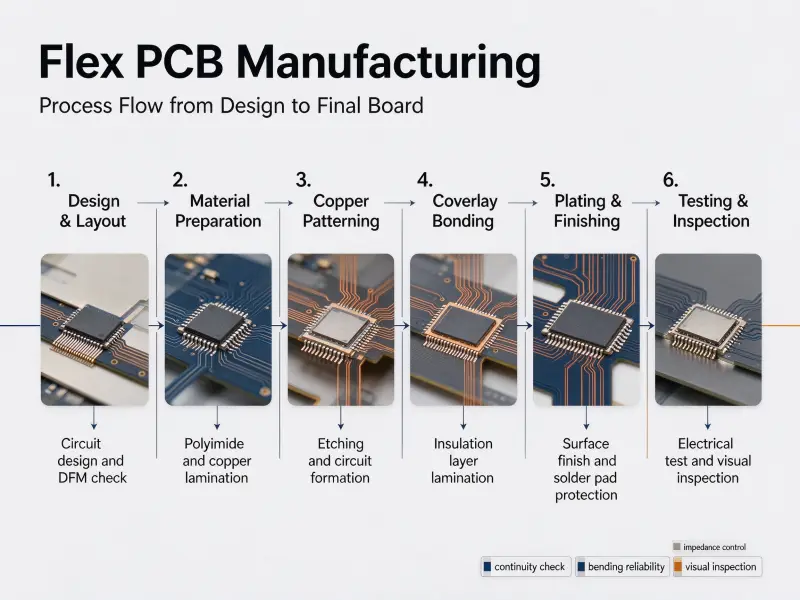
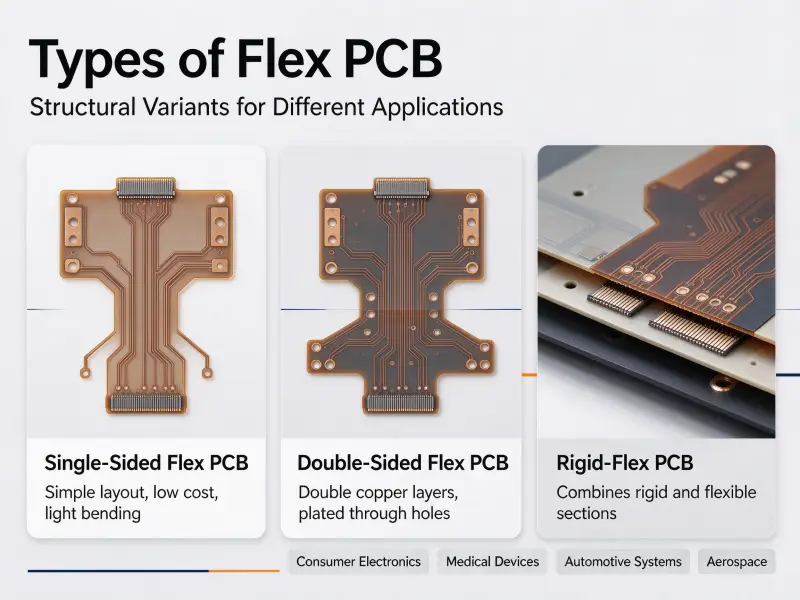
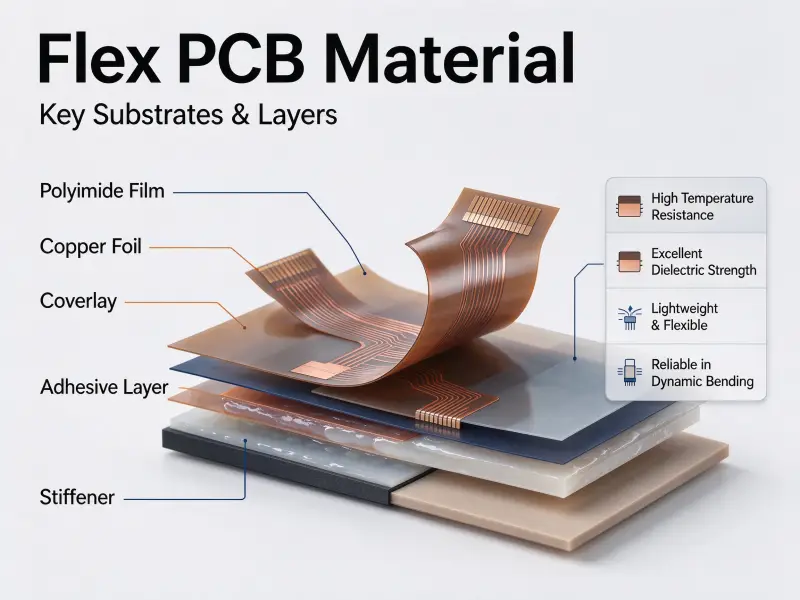
Beyond traditional rigid boards, modern electronics increasingly use flexible pcb solutions.
Popular variants include:
- flex printed
- flexible printed circuit
- flexible circuit board
- flexible pcb board
- flex circuit board
- flexible printed circuit board
Applications include:
- Wearables
- Smartphones
- Medical equipment
- Aerospace electronics
Compared with rigid Printed Circuit Board(PCB) products, flexible designs save space and weight.
PCB Assembly: Turning Bare Boards into Functional Electronics
Fabrication creates the bare board, but products only function after PCB Assembly.
Common industry terms include:
- printed circuit assembly
- circuit card assembly
- printed circuit board assembly
- pcb board assembly
- pc board assembly
- printed circuit board assy
- assembled circuit board
- pcb printed circuit board assembly
PCB Assembly Process
A professional PCB Assembly workflow typically includes:
SMT Assembly
Surface Mount Technology places components automatically.
Benefits:
- High speed
- High accuracy
- Lower cost
Through-Hole Assembly
Used for:
- High-current applications
- Mechanical strength requirements
Inspection
Inspection methods include:
| Method | Purpose |
|---|---|
| AOI | Optical inspection |
| X-Ray | Hidden solder joints |
| ICT | Electrical testing |
| Functional Test | Product verification |
This ensures every pcba circuit board meets quality requirements.
PCB and Assembly Services for Modern Electronics
Many customers seek integrated pcb and assembly services.
Advantages include:
- Shorter lead times
- Lower logistics costs
- Improved quality control
- Simplified supply chain
A complete Printed Circuit Board(PCB) solution combines:
- Design
- Fabrication
- Component sourcing
- Assembly
- Testing
- Delivery
PCB Board Repairing and Maintenance
Even the best Printed Circuit Board(PCB) products occasionally require maintenance.
Common repair services include:
- pcb board repairing
- repairing printed circuit boards
- Trace repair
- Pad replacement
- BGA rework
- Component replacement
Proper repair can extend product lifespan and reduce replacement costs.
Choosing the Right PCB Board Manufacturer
Selecting the right pcb board manufacturer is critical.
Consider:
| Factor | Importance |
|---|---|
| Manufacturing capability | High |
| Quality control | High |
| Delivery speed | High |
| Engineering support | High |
| Cost competitiveness | Medium |
Reliable printed circuit board manufacturers provide:
- Fast prototyping
- Mass production
- Consistent quality
- Global logistics
Why SLPCBA Is a Trusted PCB Manufacturing Partner
When searching for reliable pcb manufacturing, SLPCBA offers comprehensive solutions covering the entire product lifecycle.
SLPCBA Advantages
✅ Advanced Printed Circuit Board(PCB) manufacturing facilities
✅ One-stop PCB Assembly services
✅ Fast prototype turnaround
✅ Competitive pricing
✅ Strict quality management system
✅ Professional engineering support
✅ Multilayer and flexible pcb capability
✅ Global delivery network
Whether you need a simple prototype pcb board, a complex industrial pcb printed circuit board, or high-volume printed circuit board assembly, SLPCBA can deliver reliable solutions tailored to your project requirements.
Future Trends in Printed Circuit Board (PCB) Technology
The future of Printed Circuit Board(PCB) technology includes:
AI Hardware
High-density multilayer boards supporting AI accelerators.
Flexible Electronics
Growth of flexible printed circuit board applications.
Miniaturization
Smaller devices require increasingly complex pcb circuit board designs.
High-Speed Communication
5G and data centers demand advanced pcb circuit performance.
Smart Manufacturing
Automation is transforming circuit board manufacturing and pcb board production.
Conclusion
Understanding how to make pcb requires knowledge of design, fabrication, and PCB Assembly processes. From learning how to make pcb boards at home to mastering professional pcb manufacturing, the journey involves careful planning, precise engineering, and rigorous testing.
A high-quality Printed Circuit Board(PCB) remains the foundation of every modern electronic device. Whether you are developing a consumer gadget, industrial controller, medical device, or communication system, choosing the right pcb board manufacturer and printed circuit board assembly partner is essential for success.
SLPCBA provides complete Printed Circuit Board(PCB) solutions, including design support, pcb board fabrication, component sourcing, PCB Assembly, testing, and mass production. If you’re planning your next electronics project, contact SLPCBA today to receive expert guidance, rapid quotations, and world-class manufacturing support.