The Complete Beginner-to-Professional Guide
In today’s electronics industry, almost every smart device relies on a Printed Circuit Board(PCB). From consumer electronics and industrial automation equipment to automotive systems and medical devices, the Printed Circuit Board(PCB) serves as the foundation that connects and supports electronic components.The Complete Beginner-to-Professional Guide
Whether you are learning how to solder a pcb circuit board, building prototypes, repairing electronics, or working with professional PCB Assembly services, mastering soldering skills is essential. This comprehensive guide explains everything from basic soldering techniques to advanced repair methods, helping beginners and professionals achieve reliable solder joints on any Printed Circuit Board(PCB).
At SLPCBA, we specialize in PCB Assembly, rapid prototyping, and turnkey manufacturing solutions. Our engineering team has assembled millions of Printed Circuit Board(PCB) products for global customers, making us a trusted partner for high-quality electronics manufacturing.

What Is a Printed Circuit Board(PCB)?
A Printed Circuit Board(PCB) is a flat board that mechanically supports and electrically connects electronic components through conductive copper traces.
Common names include:
- pcb board
- pcb circuit board
- pcb printed circuit board
- electronic circuit board
- circuit pcb board
- pcb circuit
- printed wiring board
Modern Printed Circuit Board(PCB) technology has transformed electronics manufacturing by replacing bulky point-to-point wiring with compact and reliable copper pathways.
Main Components of a PCB
| Component | Function |
|---|---|
| Copper Traces | Carry electrical signals |
| Pads | Soldering connection points |
| Vias | Connect layers |
| Solder Mask | Prevents shorts |
| Silkscreen | Component labeling |
| Substrate | Mechanical support |
Every Printed Circuit Board(PCB) contains numerous circuit board components that must be correctly soldered to ensure proper functionality.
Why Learning How to Solder a PCB Circuit Board Matters
Understanding how to solder a pcb circuit board is valuable because it enables:
- Electronics prototyping
- Product development
- DIY electronics projects
- Device repair
- Industrial maintenance
- Quality control verification
- pcb board repairing
- repairing printed circuit boards
As electronics continue to evolve, soldering remains one of the most important skills in electronics manufacturing and maintenance.
Essential Tools for PCB Soldering
Before learning how to solder a pcb circuit board, gather the proper equipment.
Basic Soldering Equipment
| Tool | Purpose |
|---|---|
| circuit board soldering iron | Heat source |
| Solder Wire | Creates electrical connection |
| Flux | Improves solder flow |
| Wire Cutter | Trims leads |
| Tweezers | Component handling |
| Magnifier | Inspection |
| Multimeter | Testing |
| Fume Extractor | Safety |
Many beginners start with a complete circuit board soldering kit, which includes everything required for learning soldering techniques.
Soldering Circuit Boards for Beginners
If you are new to electronics, understanding soldering circuit boards for beginners starts with mastering a few fundamentals.
Step 1: Prepare the Printed Circuit Board(PCB)
Inspect the Printed Circuit Board(PCB) for:
- Contamination
- Oxidation
- Damaged pads
- Missing traces
Clean the Printed Circuit Board(PCB) surface using isopropyl alcohol before assembly.
Step 2: Insert Components
Place the required circuit board components into the designated holes or SMT locations.
Typical components include:
- Resistors
- Capacitors
- LEDs
- ICs
- Connectors
- Transistors
Step 3: Heat the Joint
Position the circuit board soldering iron tip between the component lead and pad.
Heat both surfaces simultaneously.
Step 4: Apply Solder
Feed solder into the heated joint rather than directly onto the iron tip.
A good solder joint appears:
- Smooth
- Shiny
- Cone-shaped
Step 5: Inspect
Check for:
- Cold joints
- Bridges
- Insufficient solder
- Lifted pads
These steps form the foundation of how to solder a pcb circuit board correctly.

Understanding Circuit Board Soldering Temperature
One of the most common questions involves soldering circuit board temperature.
Different solder types require different temperatures.
| Solder Type | Temperature |
|---|---|
| Leaded Solder | 315°C–350°C |
| Lead-Free Solder | 350°C–380°C |
| SMT Components | 320°C–370°C |
| Large Connectors | 380°C–420°C |
Maintaining proper soldering circuit board temperature prevents damage to the Printed Circuit Board(PCB) while ensuring reliable electrical connections.
Types of PCB Soldering
Several types of pcb soldering are used throughout electronics manufacturing.
Through-Hole Soldering
Traditional method where leads pass through holes in the Printed Circuit Board(PCB).
Advantages:
- Strong mechanical connection
- Easy inspection
- Beginner friendly
Surface Mount Soldering
Used for modern electronics.
Advantages:
- Compact design
- Automated production
- Higher component density
Reflow Soldering
Widely used during professional PCB Assembly.
Wave Soldering
Ideal for high-volume production of through-hole assemblies.
Each method is used depending on product requirements and Printed Circuit Board(PCB) design.
How to Solder a Chip
Integrated circuits require careful handling.
How to Solder a Chip Step-by-Step
- Align the chip.
- Secure one corner.
- Solder opposite corner.
- Verify alignment.
- Complete remaining pins.
- Inspect under magnification.
When learning how to solder a chip, flux is your best friend. Proper flux application significantly reduces bridging.
How to Solder a Battery to a Circuit Board
Many hobbyists ask how to solder a battery to a circuit board.
Important Safety Note
Direct soldering onto batteries can be dangerous.
Recommended methods:
- Spot-welded tabs
- Battery holders
- Pre-tabbed cells
If soldering is unavoidable:
- Use high-power iron.
- Minimize heating time.
- Pre-tin surfaces.
- Complete connection quickly.
Understanding how to solder a battery to a circuit board safely helps avoid battery damage and overheating.
How to Solder Metal
Electronics technicians occasionally need to know how to solder metal.
Common solderable metals include:
- Copper
- Brass
- Tin-plated steel
- Nickel-coated surfaces
Steps:
- Clean surface.
- Apply flux.
- Heat metal.
- Apply solder.
- Allow cooling.
Learning how to solder metal is useful beyond electronics and often supports enclosure modifications.
How to Solder a Circuit Board Without a Soldering Iron
A common emergency question is how to solder a circuit board without a soldering iron.
Alternative heat sources include:
- Butane torch
- Hot air gun
- Heated copper rod
- Gas-powered soldering tool
Although possible, professional results are difficult without a proper circuit board soldering iron.
Therefore, understanding how to solder a circuit board without a soldering iron should be viewed as a temporary solution rather than a standard practice.

PCB Assembly and Professional Manufacturing
While manual soldering is excellent for prototypes, large-scale production requires professional PCB Assembly.
SLPCBA provides:
- SMT assembly
- Through-hole assembly
- Mixed technology assembly
- Box build assembly
- Functional testing
Professional PCB Assembly ensures consistency and quality that manual soldering cannot match at scale.
PCB Assembly Workflow
| Stage | Description |
|---|---|
| Component Procurement | Material sourcing |
| Solder Paste Printing | SMT preparation |
| Pick and Place | Component placement |
| Reflow Soldering | Permanent attachment |
| Inspection | AOI/X-Ray |
| Functional Testing | Product verification |
Modern PCB Assembly combines automation and engineering expertise for optimal performance.
PCB Manufacturing and Assembly Relationship
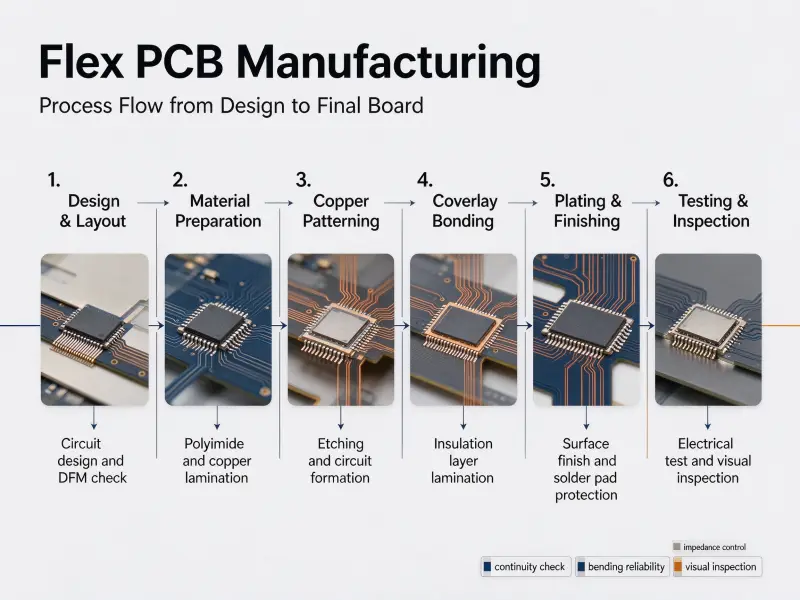
Before assembly begins, a Printed Circuit Board(PCB) must first be fabricated.
The process includes:
- pcb designing
- pcb manufacturing
- pcb board fabrication
- circuit board manufacturing
- circuit board production
- pcb board production
- printed circuit board production
Once fabrication is completed, assembly follows.
This complete workflow transforms raw materials into finished electronics.
PCB Design and Manufacturing Lifecycle
A modern Printed Circuit Board(PCB) typically follows:
- pcb designing
- Prototype fabrication
- Testing
- pcb assembly
- Product validation
- Mass production
Understanding this lifecycle helps engineers optimize product reliability and manufacturing cost.
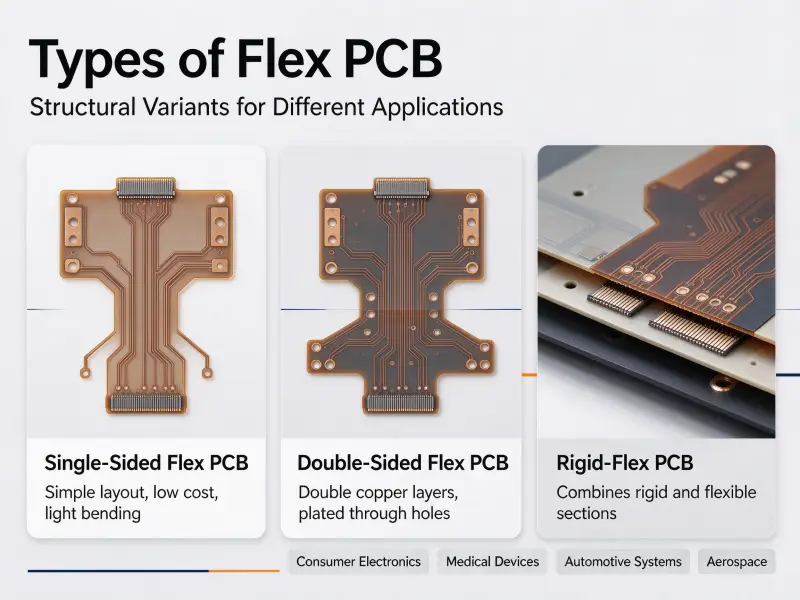
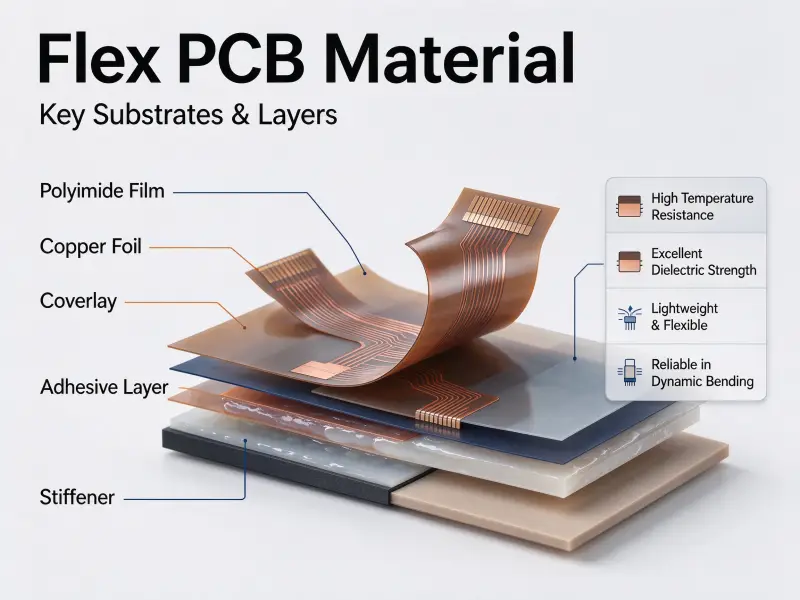
Flexible PCB Technology
One of the fastest-growing segments in electronics is the flexible pcb industry.
Related technologies include:
- flexible printed circuit
- flexible circuit board
- flexible pcb board
- flexible printed circuit board
- flex printed
- flex circuit board
Benefits include:
- Lightweight design
- Reduced space requirements
- Dynamic movement capability
- Improved reliability
Applications include:
- Wearables
- Medical devices
- Aerospace electronics
- Smartphones
Modern Printed Circuit Board(PCB) solutions increasingly incorporate flexible technologies.
PCB Repair and Motherboard Soldering Repair
Repair technicians frequently perform:
- motherboard soldering repair
- pcb board repairing
- repairing printed circuit boards
Common repair scenarios include:
| Problem | Repair Method |
|---|---|
| Broken Connector | Replace component |
| Burned Pad | Pad reconstruction |
| Damaged Trace | Jumper wire |
| Failed IC | Chip replacement |
| Cold Joint | Reflow soldering |
Professional motherboard soldering repair often requires hot air rework stations and microscope inspection.
PCB Industry Trends in 2026
The Printed Circuit Board(PCB) industry continues evolving rapidly.
Current trends include:
AI Hardware Growth
AI servers require increasingly complex Printed Circuit Board(PCB) architectures with higher layer counts and improved thermal management.
Miniaturization
Consumer electronics demand:
- Smaller electronic circuit board designs
- Higher component density
- Advanced packaging
Flexible Electronics
The rise of flexible printed circuit board technologies supports foldable and wearable devices.
Smart Manufacturing
Modern pcb manufacturing facilities now utilize:
- AI inspection
- Automated optical inspection
- Predictive maintenance
- Digital twin technologies
These trends continue driving innovation across the global Printed Circuit Board(PCB) industry.
Comparing DIY Soldering vs Professional PCB Assembly
| Feature | DIY Soldering | Professional PCB Assembly |
|---|---|---|
| Cost | Low Volume | Economical at Scale |
| Accuracy | Moderate | High |
| Speed | Slow | Fast |
| Repeatability | Limited | Excellent |
| Inspection | Visual | AOI/X-Ray |
| Reliability | Variable | Consistent |
For prototypes, learning how to solder a pcb circuit board is highly valuable.
For production, professional PCB Assembly is usually the better choice.

Common Soldering Mistakes
Beginners often encounter:
Cold Joints
Caused by insufficient heating.
Excessive Solder
Creates bridges and shorts.
Overheating
Damages the Printed Circuit Board(PCB).
Incorrect Temperature
Improper soldering circuit board temperature leads to poor connections.
Component Movement
Movement during cooling weakens the joint.
Avoiding these mistakes significantly improves assembly quality.
Why Choose SLPCBA for PCB Assembly?
SLPCBA is a trusted global provider of:
- Printed Circuit Board(PCB) manufacturing
- PCB Assembly
- Prototype assembly
- Turnkey solutions
- Component sourcing
- Functional testing
SLPCBA Advantages
✓ Fast prototype turnaround
✓ Competitive pricing
✓ Advanced SMT production lines
✓ Strict quality management
✓ Engineering support
✓ Global shipping
Whether you need a simple pcb board assembly, a complex pcba circuit board, or full turnkey printed circuit board assembly, SLPCBA delivers reliable solutions.
Our expertise covers:
- circuit card assembly
- printed circuit assembly
- pc board assembly
- pcb and assembly
- assembled circuit board
- printed circuit board assy
- printed circuit board and assembly
- pcb printed circuit board assembly
We work closely with OEMs, startups, research institutions, and industrial manufacturers worldwide.
Conclusion
Learning how to solder a pcb circuit board is one of the most valuable skills in electronics. From soldering circuit boards for beginners to advanced motherboard soldering repair, mastering soldering techniques helps you build, repair, and innovate with confidence.
A high-quality Printed Circuit Board(PCB) is the foundation of every reliable electronic product. While manual soldering is excellent for learning and prototyping, professional PCB Assembly services provide the consistency, scalability, and quality required for commercial production.
If you are looking for a trusted partner for Printed Circuit Board(PCB) fabrication, assembly, prototyping, testing, or turnkey manufacturing, SLPCBA is ready to help.
Contact SLPCBA today to receive a fast quote for your next Printed Circuit Board(PCB) project and experience professional-grade manufacturing support from prototype to mass production.