The electronics industry depends on two closely related yet fundamentally different products: the Printed Circuit Board(PCB) and the Printed Circuit Board Assembly (PCBA). Whether you are developing a consumer electronic device, industrial automation equipment, medical instrument, communication system, or automotive controller, understanding the difference between a Printed Circuit Board(PCB) and a PCBA is essential for making informed sourcing and manufacturing decisions.
Many buyers, engineers, and startup companies mistakenly use PCB and PCBA as interchangeable terms. However, they represent different stages of electronic product development and manufacturing. A Printed Circuit Board(PCB) is the bare foundation of an electronic circuit, while a PCBA circuit board is the completed and functioning assembly that powers electronic devices.
In this comprehensive guide, we will explore the differences between PCB and PCBA, compare their manufacturing processes, analyze their costs, discuss modern industry trends, and explain how SLPCBA helps customers move efficiently from design to production.

What Is a Printed Circuit Board(PCB)?
A Printed Circuit Board(PCB) is a non-conductive board containing conductive copper traces that create electrical pathways between components.
The primary purpose of a Printed Circuit Board(PCB) is to provide:
- Mechanical support for components
- Electrical connectivity
- Signal routing
- Power distribution
- Thermal management
Without a Printed Circuit Board(PCB), modern electronics would require complex point-to-point wiring, making devices larger, less reliable, and more difficult to manufacture.
Common industry terms include:
- pcb board
- pcb circuit board
- pcb printed circuit board
- printed circuit board
- circuit boards
A bare Printed Circuit Board(PCB) contains no electronic components and cannot perform any electronic function by itself.
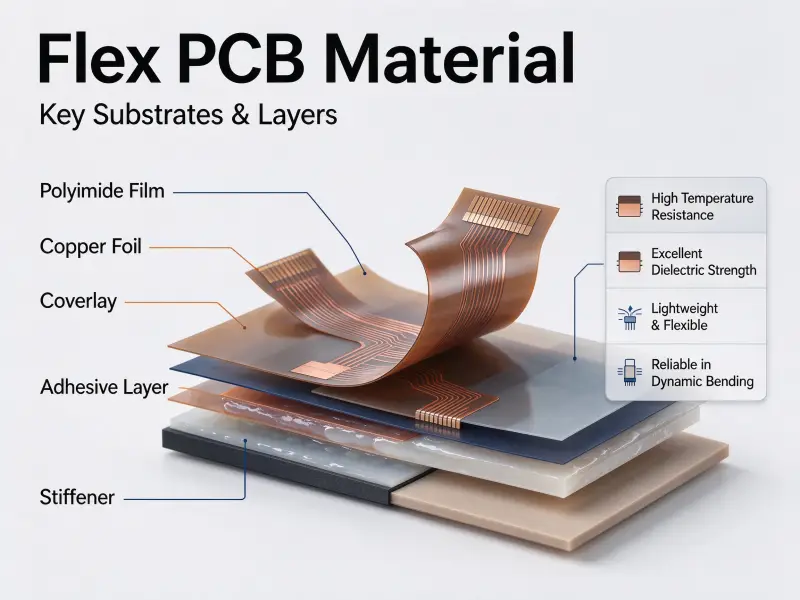
Main Structure of a Printed Circuit Board(PCB)
A typical Printed Circuit Board(PCB) consists of:
| Layer | Function |
|---|---|
| Substrate | Mechanical support |
| Copper Layer | Conductive pathways |
| Solder Mask | Electrical insulation |
| Silkscreen | Component identification |
| Surface Finish | Improved solderability |
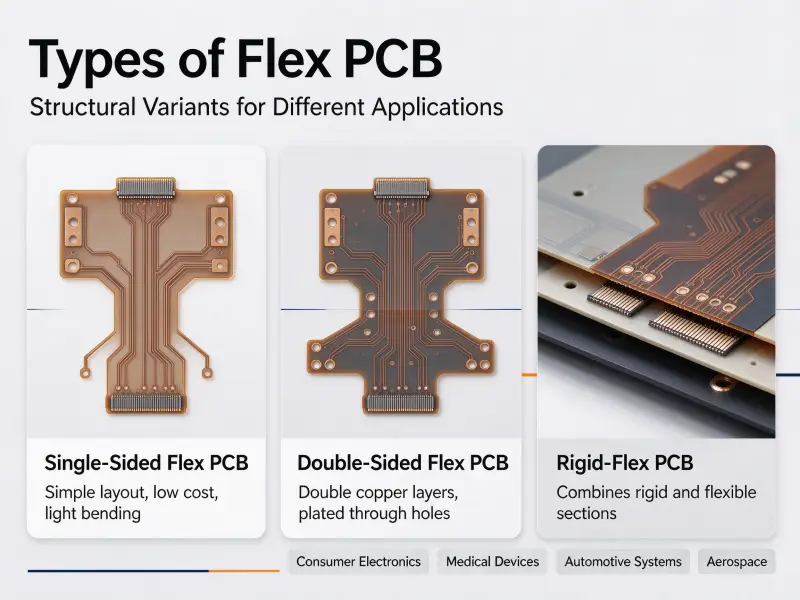
The complexity of a Printed Circuit Board(PCB) depends on the application, ranging from simple single-sided boards to advanced multilayer boards used in AI servers and telecommunications equipment.
What Is PCBA?
PCBA stands for Printed Circuit Board Assembly.
A PCBA circuit board is created when all required electronic components are mounted and soldered onto a Printed Circuit Board(PCB).
The formula is simple:
Printed Circuit Board(PCB) + Components + Assembly Process = PCBA
Unlike a bare Printed Circuit Board(PCB), a PCBA can perform specific electronic functions.
A completed PCBA may include:
- Microprocessors
- Memory chips
- Capacitors
- Resistors
- Sensors
- Connectors
- Power management devices
Industry terminology for PCBA includes:
- PCB Assembly
- printed circuit assembly
- circuit card assembly
These terms generally refer to the process or result of assembling components onto a Printed Circuit Board(PCB).

PCB vs PCBA: Key Differences
The easiest way to understand the distinction is through direct comparison.
PCB vs PCBA Comparison Table
| Feature | Printed Circuit Board(PCB) | PCBA Circuit Board |
|---|---|---|
| Definition | Bare board only | Fully assembled board |
| Components | None | Installed |
| Functionality | Passive | Active |
| Manufacturing Stage | Fabrication | Assembly |
| Electrical Function | No | Yes |
| Testing | Continuity testing | Functional testing |
| Cost | Lower | Higher |
| End Use | Intermediate product | Finished electronic module |
The most important difference is functionality.
A Printed Circuit Board(PCB) serves as the foundation, while a PCBA circuit board serves as the operating electronic system.
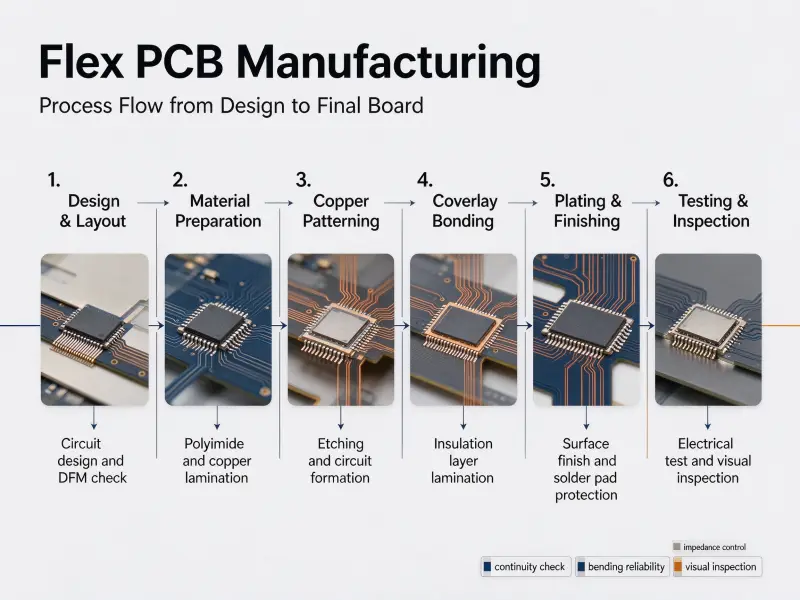
How Is a Printed Circuit Board(PCB) Manufactured?
Before assembly can begin, the Printed Circuit Board(PCB) itself must be fabricated.
The manufacturing process typically includes:
Design Creation
Engineers create circuit layouts and routing structures.
This stage determines:
- Trace widths
- Layer count
- Via placement
- Signal integrity
Material Preparation
Most Printed Circuit Board(PCB) products use FR-4 fiberglass materials combined with copper foil layers.
Imaging and Etching
Copper is selectively removed to create conductive pathways.
Drilling
Precision holes are drilled for vias and through-hole components.
Surface Finishing
Common finishes include:
- HASL
- ENIG
- OSP
- Immersion Silver
After fabrication, the Printed Circuit Board(PCB) is ready for assembly.
How Does PCB Assembly Work?
The PCB Assembly process transforms a bare Printed Circuit Board(PCB) into a functional electronic product.
Professional assembly facilities use automated equipment to ensure precision and consistency.
Typical PCB Assembly Workflow
| Step | Description |
|---|---|
| Solder Paste Printing | Apply solder paste |
| Component Placement | Mount components |
| Reflow Soldering | Melt solder joints |
| Inspection | Verify placement |
| Testing | Confirm functionality |
Modern PCB Assembly facilities can place thousands of components per hour with exceptional accuracy.
Surface Mount Technology in PCB Assembly
Most modern PCB Assembly projects use Surface Mount Technology (SMT).
Benefits include:
- Higher component density
- Smaller product size
- Faster production
- Lower manufacturing costs
SMT enables manufacturers to build highly compact PCBA circuit board products used in smartphones, wearables, and industrial control systems.
Through-Hole Assembly
Although SMT dominates today’s industry, through-hole technology remains important.
Advantages include:
- Strong mechanical strength
- Improved reliability
- Better support for heavy components
Many circuit card assembly projects combine SMT and through-hole assembly methods.
Industrial power systems and aerospace electronics frequently utilize mixed-technology assemblies.

Why a PCB Cannot Function Without Assembly
One of the most common misconceptions is assuming that a Printed Circuit Board(PCB) can operate independently.
In reality, a Printed Circuit Board(PCB) only provides:
- Electrical pathways
- Structural support
- Component locations
Without resistors, capacitors, processors, connectors, and other devices, the board remains inactive.
Only after PCB Assembly does the circuit become operational.
This is why manufacturers often refer to a PCBA as a finished electronic product while the PCB is considered a semi-finished component.
Cost Analysis: PCB vs PCBA
Cost differences between a Printed Circuit Board(PCB) and a PCBA are significant.
PCB Cost Factors
Factors affecting PCB pricing include:
- Board dimensions
- Layer count
- Material type
- Surface finish
- Hole density
PCBA Cost Factors
A PCBA circuit board includes all PCB costs plus:
- Components
- Assembly labor
- Equipment usage
- Inspection
- Functional testing
Example Cost Comparison
| Item | Typical Cost Impact |
|---|---|
| Bare PCB | Low |
| Components | Medium to High |
| Assembly Labor | Medium |
| Testing | Additional Cost |
| Finished PCBA | Highest |
Therefore, a PCBA generally costs several times more than a bare Printed Circuit Board(PCB).
Applications of PCB and PCBA
Virtually every electronic product relies on a Printed Circuit Board(PCB) and a corresponding PCBA.
Consumer Electronics
Examples include:
- Smartphones
- Tablets
- Smartwatches
- Gaming devices
Industrial Automation
Applications include:
- PLC controllers
- Motion control systems
- Robotics
Automotive Electronics
Modern vehicles contain dozens of PCBA circuit board modules.
Examples:
- Engine control units
- Battery management systems
- ADAS modules
Medical Equipment
Medical systems require highly reliable PCB Assembly solutions.
Applications include:
- Monitoring systems
- Imaging devices
- Diagnostic equipment
Telecommunications
Telecommunications equipment relies heavily on advanced Printed Circuit Board(PCB) technologies.
Examples:
- Base stations
- Routers
- Optical communication systems

Industry Trends in 2026
The electronics industry continues to evolve rapidly.
Several trends are shaping the future of the Printed Circuit Board(PCB) and PCB Assembly sectors.
Artificial Intelligence Hardware
AI servers require increasingly complex Printed Circuit Board(PCB) architectures featuring:
- High layer counts
- High-speed signal routing
- Enhanced thermal management
Miniaturization
Manufacturers continue reducing product size while increasing performance.
This trend drives demand for:
- Smaller packages
- Advanced assembly technologies
- Higher-density boards
Smart Manufacturing
Modern PCB Assembly factories utilize:
- Automated optical inspection
- X-ray inspection
- AI-powered quality control
- Real-time production monitoring
These innovations improve yield and reduce production costs.
Sustainability
Manufacturers increasingly adopt:
- Lead-free solder
- Energy-efficient production
- Sustainable materials
Environmental responsibility is becoming a major factor in PCB Assembly procurement decisions.
Choosing Between PCB and PCBA
The answer depends on your project requirements.
Choose a Printed Circuit Board(PCB) If:
- You perform assembly in-house
- You are developing prototypes
- You need design validation
- You have assembly equipment available
Choose a PCBA Circuit Board If:
- You need a ready-to-use product
- You lack assembly capabilities
- You require testing and quality assurance
- You want faster production deployment
Most commercial projects benefit from turnkey PCB Assembly services.
Why More Companies Choose Turnkey PCB Assembly
In recent years, many OEMs have shifted from purchasing bare Printed Circuit Board(PCB) products to ordering complete PCBAs.
Benefits include:
- Reduced supply chain complexity
- Faster production cycles
- Lower management overhead
- Improved quality control
A turnkey printed circuit assembly provider handles:
- PCB fabrication
- Component sourcing
- Assembly
- Inspection
- Testing
This approach allows customers to focus on product development and marketing rather than manufacturing coordination.
Why Choose SLPCBA?
SLPCBA is a professional electronics manufacturing partner specializing in:
- Printed Circuit Board(PCB) fabrication
- PCB Assembly
- Prototype manufacturing
- Component sourcing
- Functional testing
- Turnkey solutions
SLPCBA Advantages
Advanced Manufacturing Capability
Our facilities support:
- SMT assembly
- Through-hole assembly
- Mixed technology assembly
- High-density assemblies
Strict Quality Control
Every PCBA circuit board undergoes:
- Incoming material inspection
- AOI inspection
- X-ray verification
- Functional testing
Fast Turnaround
We help customers accelerate product development through rapid prototyping and efficient production scheduling.
One-Stop Service
From Printed Circuit Board(PCB) fabrication to complete PCB Assembly, SLPCBA provides a seamless manufacturing experience.
Conclusion
Understanding the difference between a Printed Circuit Board(PCB) and a PCBA is essential for anyone involved in electronics development, procurement, or manufacturing.
A Printed Circuit Board(PCB) is the structural foundation containing copper pathways and electrical routing. A PCBA circuit board is the completed electronic assembly created when components are mounted onto that board through the PCB Assembly process.
While a Printed Circuit Board(PCB) provides the framework, only a fully assembled PCBA can perform electronic functions. The transition from PCB to PCBA involves component sourcing, soldering, inspection, and testing, making PCBA a more complex and valuable product.
As AI, automotive electronics, telecommunications, industrial automation, and medical technologies continue to advance, demand for high-quality Printed Circuit Board(PCB) fabrication and professional PCB Assembly services will continue to grow.
If you are looking for a trusted manufacturing partner, SLPCBA offers comprehensive PCB Assembly, circuit card assembly, and printed circuit assembly services designed to deliver quality, reliability, and speed. Contact SLPCBA today to discuss your next project and discover how our engineering expertise can help bring your ideas from concept to production.